English for Online Chats and Messages | 28-day free course

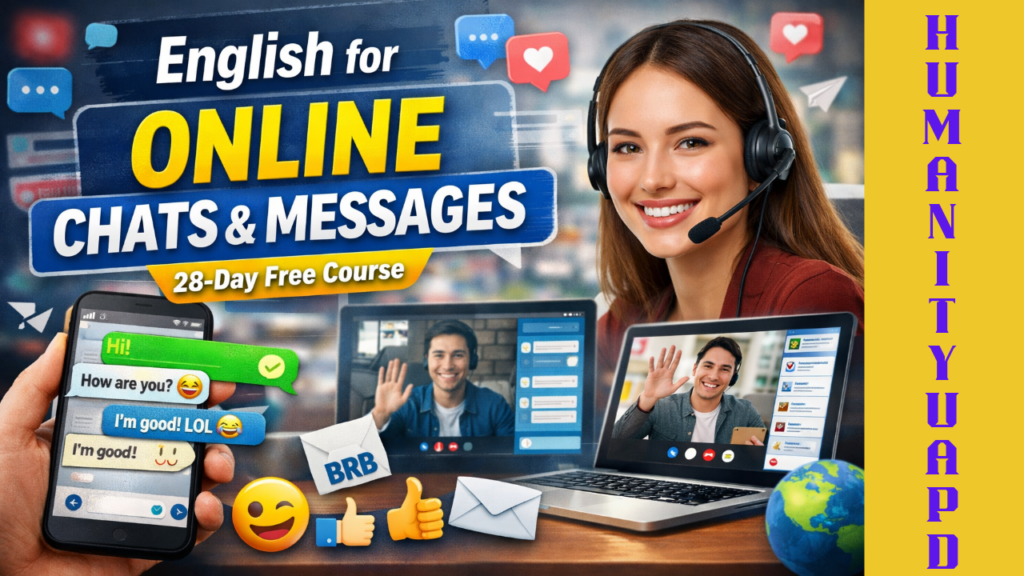
English for Online Chats and Messages
Online chats have significantly transformed the way people communicate in the 21st century. This technology has evolved from simple text-based exchanges to complex interactions that can include multimedia elements like images, videos, and emoticons. Initially popularized by instant messaging platforms such as AOL Instant Messenger and later by social media networks, the concept of online chatting has become ubiquitous, offering users the ability to connect in real time across various devices.
The importance of English communication within online chats cannot be overstated. As one of the most widely spoken languages globally, English serves as the lingua franca in many digital interactions, fostering better understanding among diverse groups of individuals. Mastering the nuances of chat etiquette, which includes understanding abbreviations, emojis, and tone, is essential for effective communication. This is particularly significant in professional settings where precision and clarity are paramount.
Furthermore, the rise of online communities and forums has illustrated the necessity of proficient English skills. Engaging in these platforms requires not only linguistic competence but also an awareness of cultural contexts that might influence conversations. As users embark on their digital correspondence journey, a solid grasp of English facilitates clearer exchanges and enriches the overall chat experience.
In today’s tech-savvy world, where remote work and online education have become more prevalent, the ability to communicate effectively in English during chats has evolved from a mere convenience to a critical skill. As individuals navigate through these digital landscapes, honing their English proficiency will prove invaluable in both personal and professional interactions.
👉 Table of Contents 👇
Common Platforms for Online Chats
Online chatting has revolutionized communication, enabling individuals to connect seamlessly across the globe. Various platforms have emerged, each catering to unique user demographics and preferences. Understanding these platforms is crucial for effective communication in English.
Social media platforms, such as Facebook, Twitter, and Instagram, allow users to interact instantly. Facebook Messenger, integrated into the Facebook ecosystem, is widely used for personal conversations, featuring text, voice, and video chat options. Twitter’s direct messaging utility enables quick communication, though it is often limited by character counts, promoting concise English usage. Instagram also promotes visual storytelling through photos and videos, supplemented by instant messaging capabilities that encourage engaging in written English.
Messaging applications like WhatsApp, Telegram, and Signal have gained immense popularity for their focus on privacy and real-time communication. WhatsApp allows users to send messages, voice notes, photos, and videos, providing a rich platform for English conversations. Telegram distinguishes itself with extensive group functionalities and channels, appealing to diverse communities and interests. In contrast, Signal prioritizes security while maintaining a user-friendly interface, where English communication is vital for user engagement.
Online forums and community-based platforms, such as Reddit and Quora, facilitate discussions on various topics. These platforms encourage users to engage in detailed exchanges through comments and direct messages, thus highlighting the importance of proficient English skills. Reddit hosts a variety of subreddits where topical conversations unfold in written English, while Quora encourages users to ask, answer, and articulate thoughts in a clear and concise manner.
Each platform presents an opportunity to enhance one’s English communication skills, whether through informal conversations on social media or structured discussions on forums. Familiarity with these various online chat platforms can significantly contribute to effective communication in the digital age.
The Basics of Chatting in English
Understanding the fundamentals of chatting in English is crucial for engaging in online conversations effectively. This includes mastering basic greetings, introductions, and conversation starters, which form the foundation of many interactions.
Starting a chat often begins with a simple greeting. Common phrases such as “Hello,” “Hi,” or “Hey” can be used to initiate a conversation. Additionally, it’s important to consider the context of the chat. In a formal situation, one might say, “Good morning” or “Good afternoon.” In a more casual atmosphere, informal greetings are usually more acceptable. Using appropriate greetings helps set a friendly tone for the conversation.
Once a greeting has been exchanged, introductions become essential. Introducing oneself may involve stating one’s name and perhaps a brief description of oneself, such as one’s interests or location. For example, one might say, “I’m Sarah, and I love reading books” or “My name is Tom; I’m from New York.” These introductions not only establish identity but also invite reciprocation, encouraging the other person to introduce themselves as well.
Following greetings and introductions, one can utilize basic conversation starters to keep the dialogue flowing. Questions such as “How have you been?” or “What do you like to do in your free time?” can serve as effective ways to elicit more information and deepen the conversation. Additionally, responding thoughtfully to such questions can lead to a more engaging chat.
In summary, mastering the basics of online chatting in English involves understanding common greetings, crafting simple introductions, and utilizing conversation starters. By focusing on these fundamental skills, beginners can build a solid groundwork for successful and enjoyable conversations.

Common Abbreviations and Emojis
In the context of online communication, the use of abbreviations and emojis has transformed how individuals converse in English. These elements serve to streamline conversations, making them more efficient while adding an informal flair that is often appealing in digital dialogues.
Abbreviations are prevalent in text-based chats, with popular examples including “LOL” (laugh out loud), “BRB” (be right back), and “FYI” (for your information). Each of these acronyms simplifies common phrases, allowing users to convey messages quickly and effectively. For instance, responding with “BRB” signals to the other party that one will temporarily leave the chat but intends to return later. The use of such abbreviations not only speeds up interactions but also fosters a sense of camaraderie among users who share the same lexicon.
Emojis also play a critical role in enhancing communication. They provide non-verbal cues that can convey emotions and reactions where words may fall short. For instance, a simple smiley face emoji 🙂 can indicate happiness or agreement, while a thumbs-up emoji 👍 can signal approval or understanding. The combination of these visual symbols with text allows users to express sentiments that might otherwise require more elaborate explanations.
The integration of these chat slang and emojis into regular conversations has become so ubiquitous that they are often included in various forms of writing, including professional emails and social media interactions. Consequently, understanding these elements is essential for effective communication in current digital landscapes. As conversations continue to evolve in formality and style, familiarity with such abbreviations and emojis will enhance one’s fluency in English as used in online chats.
Building Vocabulary for Online Chats
Expanding your vocabulary is crucial for effective communication in online chats. It enhances your ability to express emotions, intentions, and clarity, allowing for smoother interactions. There are several strategies to build vocabulary that is particularly suited for chat environments.
First, immersing yourself in relevant content can significantly improve your vocabulary. Engage with various social media platforms, online forums, and chat groups where language is informal and conversational. Pay attention to how others communicate; noting the frequently used terms, slang, and expressions will help you understand colloquial language better. For example, the phrase “LOL” conveys laughter, while “BRB” indicates a brief absence. These abbreviations not only save time but also help express emotions succinctly.
Moreover, actively participating in online discussions is another effective strategy. When you engage in conversations, you create opportunities to practice newly learned vocabulary. Exchange ideas and thoughts with others to gain firsthand experience using expressions relevant to online chats. This practice will enhance your confidence in utilizing various terms in context, thus reinforcing your learning.
Additionally, utilizing vocabulary-building apps or websites can be beneficial. Many resources categorize slang and internet jargon specifically designed for online communication. Incorporating these tools into your daily routine encourages continuous learning. Another excellent resource is online dictionaries or glossaries tailored to digital communication, which provide definitions and context for current slang.
In summary, expanding your vocabulary for online chats requires engagement with contemporary language usage, active participation in conversations, and leveraging digital resources for learning. By embracing these strategies, you will be better equipped to convey your emotions and intentions effectively in the digital conversation space.
Understanding Tone and Context
The significance of tone in written communication cannot be overstated, particularly in the realm of online chatting. Unlike face-to-face conversations, where vocal inflections and body language help convey meaning, written messages solely rely on word choice and sentence structure to express tone. In online chats, a well-chosen tone aids in fostering clear comprehension and connection between participants.
When engaging in online chats, it is essential to adapt the tone based on context, cultural nuances, and the nature of the relationship with the chat partner. For instance, formal chats typically necessitate a polite and professional tone, while more casual interactions can adopt a friendly, conversational style. Understanding the appropriate level of formality is paramount; failing to do so may lead to misunderstandings or unintended offense.
Cultural differences also play a pivotal role in how tone is perceived in written communication. Certain phrases or expressions may carry varying connotations depending on the cultural background of the chat participants. Therefore, being cognizant of these differences ensures that the intended message is effectively conveyed. For example, while humor can be a fantastic icebreaker in some cultures, it might not be well-received in others. Thus, sensitivity to the chat partner’s cultural context promotes an atmosphere of respect and open dialogue.
Furthermore, the existing relationship between the chat partners influences how tone should be approached. Friends may engage in playful banter, whereas colleagues or new acquaintances might lean towards a more reserved and professional tone. Recognizing the dynamics at play improves communication efficacy and nurtures better understanding.
In summary, mastering tone and context in online chats enhances clarity, fosters connection, and ultimately leads to more fruitful interactions. It is crucial to remain adaptable and considerate of the factors that influence tone in order to communicate effectively.
Chat Etiquette and Best Practices
In the realm of online communication, following proper chat etiquette is essential for fostering respectful and productive interactions. One of the first considerations is the timing of your messages. It is important to be aware of time zones, as a message sent late at night to someone in a different region could be inconvenient. Therefore, before initiating a chat, ensure that the timing is appropriate, particularly when communicating with acquaintances or colleagues.
Another crucial aspect of online chats is respecting privacy. This entails not only safeguarding one’s personal information but also being considerate of others’ privacy preferences. Avoid sharing private conversations or details without consent, as this can lead to mistrust and discomfort. Moreover, understanding the platform’s privacy settings and utilizing them effectively can enhance the security of your chats, ensuring that sensitive discussions remain confidential.
Being mindful of tone and language is equally significant when engaging in online chats. Text communication often lacks the visual and auditory cues found in face-to-face interactions, making it easy for messages to be misinterpreted. As such, it is vital to employ clear and concise language, while also being attentive to the emotional implications of your words. Avoiding sarcasm and ambiguous phrases can minimize the risk of misunderstanding, thereby promoting clearer communication.
In addition, adapting your language to suit your audience is important. Maintaining a professional tone in formal settings, such as business discussions, enhances clarity and respect. Conversely, a more casual approach may be acceptable among friends. Ultimately, embracing these best practices in online chatting will significantly improve your experience and outcomes in digital communications.

Overcoming Language Barriers
The rise of online communication has created a vibrant space for individuals to engage across geographical boundaries. However, for non-native English speakers, navigating these interactions can present considerable challenges due to language barriers. Effective communication in an online context is essential, and recognizing the potential hurdles is the first step towards overcoming them.
One prevalent challenge faced by non-native speakers is unfamiliarity with slang and idiomatic expressions common in online chats. Such phrases can create confusion and hinder the flow of conversation. To mitigate this, it is advisable to keep messages straightforward and concise. Using simple vocabulary allows the receiver to comprehend the message more easily, thus facilitating smoother interactions.
Moreover, utilizing translation tools can be particularly advantageous. Platforms such as Google Translate offer services that can support users in overcoming immediate language hurdles. However, it is crucial to use these tools judiciously, as translations may not always capture the nuance or context of the original message. As a best practice, users should verify translations by cross-checking with bilingual friends or language resources to avoid potential misunderstandings.
Another effective strategy is to establish a rapport by using clear context clues. Including references or asking clarifying questions can help ensure that all parties understand the discussion. This approach not only makes communication clearer but also encourages dialogue that is sensitive to differences in language proficiency.
Lastly, creating a supportive environment is key. Encouraging patience and understanding among conversational partners fosters an atmosphere conducive to learning and collaboration. When individuals acknowledge their language limitations, they are more likely to engage in constructive conversations that bridge gaps created by language barriers.
Practice Makes Perfect: Improving Your Chat Skills
Mastering the art of online conversations requires more than just theoretical knowledge; it necessitates dedicated practice. Engaging in regular online discussions can significantly enhance your chat skills. By participating in forums, engaging with peers on social media platforms, or even writing comments on articles, you can gradually build your confidence in using English in a conversational context.
One highly effective approach is to join language exchange platforms, where individuals from different linguistic backgrounds connect with one another. This allows you the opportunity to practice English in a real-world environment while also helping others with their language goals. Through these language exchanges, not only do you improve your vocabulary and sentence construction, but you also get immediate feedback, which is invaluable for quick progression.
Furthermore, simulation apps can serve as beneficial learning tools. Many applications are designed to mimic chat environments where users can engage in various scenarios, from casual conversations to professional discussions. These simulations allow learners to experiment with language functions, idiomatic expressions, and appropriate responses to different contexts. As you become familiar with these interactive elements, your ability to navigate online chats will be enhanced significantly.
Ultimately, consistent practice is the key to enhancing your chat skills in English. Combining different methods such as engaging in discussions, using language exchange platforms, and practicing through simulation apps ensures a well-rounded approach to mastering online communication. Each interaction provides a learning opportunity, leading you to greater proficiency and confidence in your written conversational skills.
FAQs – English for Online Chats and Messages
What is chat English?
Chat English is informal written English used in online conversations. It often includes short sentences, abbreviations (like LOL, BRB), emojis, and casual expressions.
Is chat English different from formal English?
Yes.
– Chat English → Short, casual, quick responses.
– Formal English → Complete sentences, polite structure, professional tone.
Example:
– Chat: Got it 👍
– Formal: Thank you. I understand the information.
Can I use emojis in professional chats?
Yes, but use them carefully.
In formal workplaces, limit emojis. In friendly teams, light emojis like 🙂 or 👍 are usually acceptable.
How can I start an online conversation in English?
You can use simple greetings:
– Hi!
– Hello!
– Good morning!
– How are you?
Then ask a simple question:
– How’s your day going?
– Are you available now?
What are common chat abbreviations?
Some popular ones:
– LOL = Laugh Out Loud
– BRB = Be Right Back
– FYI = For Your Information
– BTW = By The Way
– IMO = In My Opinion
How can I improve my English chat skills?
– Practice daily.
– Read conversations online.
– Join English chat groups.
– Learn common phrases.
– Keep sentences short and clear.
What should I avoid in online chats?
❌ Writing in ALL CAPS (looks like shouting)
❌ Sending too many messages at once
❌ Using too much slang in professional chats
❌ Ignoring tone and context
How do I sound polite in chats?
Use phrases like:
– Please
– Thank you
– I appreciate it
– Could you please clarify?
– Looking forward to your reply
What if I don’t understand a message?
You can say:
– Sorry, I didn’t understand.
– Could you explain that again?
– Do you mean…?
Why is English important in online chats?
English is widely used globally. Good English chat skills help in:
– Remote jobs
– Online education
– Freelancing
– International networking

Share this:
- Post
- Print (Opens in new window) Print
- Email a link to a friend (Opens in new window) Email
- Share on Reddit (Opens in new window) Reddit
- Tweet
- Share on Tumblr

- Share on Telegram (Opens in new window) Telegram
- Share on Threads (Opens in new window) Threads
- Share on WhatsApp (Opens in new window) WhatsApp
- Share on Mastodon (Opens in new window) Mastodon
- Share on Nextdoor (Opens in new window) Nextdoor
- Share on Bluesky (Opens in new window) Bluesky

Related
