Writing Short Paragraphs | Day 23 | 28-day Free Course

Writing Short Paragraphs
Writing short paragraphs is a crucial skill, particularly for English learners who seek to improve their writing capabilities. Short paragraphs help convey ideas clearly and succinctly, making it easier for writers to express their thoughts and for readers to understand them. When learners use shorter paragraphs, they often find that their writing becomes more organized and coherent, which is essential in effective communication.
The essence of writing in short paragraphs lies in its ability to break down complex information into manageable segments. Each paragraph can focus on a single idea or topic, allowing readers to digest the content without feeling overwhelmed. This approach not only enhances readability but also encourages writers to develop their ideas more thoroughly, as each paragraph serves as a building block in the overall structure of the text.
For beginners, utilizing short paragraphs can be particularly beneficial. It provides a clear framework that guides them in arranging their thoughts logically. As English learners become accustomed to this format, they may find it easier to articulate their ideas, resulting in more polished and effective writing. In the context of academic or professional writing, this method helps meet standards for clarity and precision, essential traits sought after in any written communication.
In addition, writing short paragraphs can facilitate better engagement with the audience. Readers are more likely to remain attentive when faced with brief, well-structured paragraphs rather than lengthy blocks of text, which can often lead to confusion or disengagement. As learners develop this skill, they will undoubtedly notice an improvement in both their confidence and their ability to connect with their intended audience.
👉 Table of Contents 👇
Understanding the Concept of a Paragraph
A paragraph is a fundamental unit of writing that consists of a sequence of sentences centered around one main idea or topic. It serves as a building block of written communication, allowing writers to organize their thoughts clearly and coherently. Typically, a paragraph begins with a topic sentence that establishes the main concept, followed by supporting sentences that elaborate on this idea, and it may conclude with a transition to the next paragraph.
The structure of a paragraph can vary depending on the purpose of the writing. In more formal contexts, such as academic or professional writing, paragraphs tend to be longer with more detailed explanations and evidence supporting the main idea. Conversely, in informal writing, such as blogs or personal reflections, paragraphs may be shorter and more focused, allowing for ease of reading and comprehension.
Paragraphs play a vital role in guiding readers through a text. Each paragraph should focus on a single theme, presenting its ideas in a way that is easy to follow. Clear and well-structured paragraphs not only enhance clarity but also improve the overall readability of a document. As such, effective paragraphing is crucial for writers who seek to communicate their ideas and arguments persuasively.
In essence, understanding the structure and purpose of a paragraph is essential for anyone looking to strengthen their writing skills. Whether drafting an essay, a report, or a creative piece, mastering the art of paragraphing is a key step towards becoming a proficient writer. With practice and attention to detail, anyone can become skilled at crafting cohesive paragraphs that effectively convey their thoughts to the reader.
Understanding the Simple Structure of a Paragraph
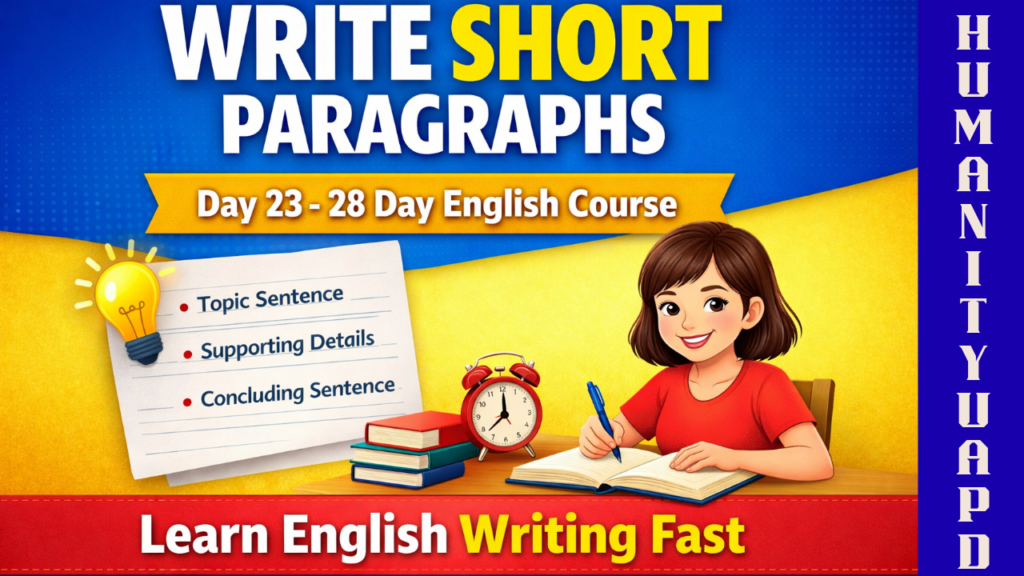
When writing effectively, understanding the composition of a paragraph is essential. A coherent paragraph is composed of three integral components: a topic sentence, supporting sentences, and a concluding sentence. Each of these elements holds a unique significance that contributes to the clarity and flow of the writing.
The topic sentence is the first sentence of a paragraph and serves as the foundation upon which the paragraph is built. It presents the main idea clearly and succinctly, allowing readers to grasp the subject matter quickly. For instance, if the paragraph discusses the benefits of reading, the topic sentence may state, “Reading offers numerous advantages that enhance personal development.” This straightforward statement sets the tone for the information that will follow.
Following the topic sentence, the middle sentences serve to provide necessary supporting details that elaborate on the main idea. These sentences may include examples, explanations, or statistics that help to reinforce the claims made in the topic sentence. Continuing with the earlier example, one could elaborate with sentences such as, “Engaging with various texts improves vocabulary and comprehension skills,” or “Moreover, reading fiction enhances empathy and understanding of diverse cultures.” Each of these supporting statements connects back to the central idea introduced initially.
Finally, the paragraph concludes with a concluding sentence that encapsulates the key points discussed. The concluding thought ties the information together, reaffirming the significance of the main idea. For example, one may conclude with, “Therefore, incorporating regular reading into one’s routine can lead to profound personal growth and development.” This structure—a topic sentence followed by supporting details and a concluding statement—forms the backbone of effective paragraph writing, promoting clarity and coherence in your writing endeavors.

Example of a Short Paragraph
Writing short paragraphs is an essential skill that enhances clarity in communication. A well-structured short paragraph typically contains four to five sentences, each contributing to a single idea. For instance, consider the concept of reading. Reading provides numerous benefits, including improving vocabulary and enhancing comprehension skills. It can transport individuals to different worlds, allowing them to experience diverse perspectives. Furthermore, establishing a regular reading habit can significantly contribute to personal growth and development.
Another Example
Coffee plays a significant role in the daily routines of many individuals. For some, it is a crucial part of the morning ritual, providing the necessary boost to start the day. In the soft glow of early morning, the aroma of freshly brewed coffee fills the kitchen, awakening the senses and signaling a new beginning. The act of preparing coffee, whether using a drip machine or a French press, offers a moment of pause and reflection before the day unfolds.
In an increasingly fast-paced world, coffee serves as a comforting constant. Many professionals rely on their morning cup to enhance focus and productivity. Research indicates that caffeine can improve alertness and concentration, making it a popular choice among those who seek to optimize their work performance. Throughout the day, coffee breaks create opportunities for social interaction, allowing colleagues to bond over shared moments of respite amidst busy schedules.
Moreover, coffee culture has evolved, becoming an essential aspect of social gatherings. Friends often meet at local cafes to enjoy a warm beverage and engage in meaningful conversations. These settings foster connections, making coffee an essential facilitator of relationships. Whether enjoyed alone or with others, coffee remains a versatile beverage that adapts to various lifestyles and occasions, enhancing both solitude and camaraderie.
Tips for Writing Good Paragraphs
Writing effective paragraphs is a fundamental skill for both novice and experienced writers. Below are five practical tips designed to enhance paragraph writing for beginners, making it easier to produce clear and engaging text.
1. Start with a Clear Topic Sentence: Each paragraph should begin with a topic sentence that conveys the main idea. This sets the expectation for the reader and provides a roadmap for what will follow. By being concise and specific, the topic sentence helps maintain focus throughout the paragraph.
2. Use Supporting Sentences: After establishing the main idea, follow up with supporting sentences that elaborate on it. These sentences should include evidence, examples, or elaborations that reinforce the paragraph’s focus. Ensuring your supporting sentences are relevant and well-connected to the topic sentence will enhance clarity and comprehension.
3. Maintain a Logical Flow: The organization of ideas within a paragraph is crucial for reader engagement. Use transitional words or phrases to guide readers from one thought to the next. Cohesion within the paragraph helps maintain continuity and enhances overall readability, which is vital for effective communication.
4. Keep Paragraphs Concise: Lengthy paragraphs can overwhelm readers, so strive to make them concise. Each paragraph should ideally convey a single main idea without unnecessary elaboration. Aim for about 3-5 sentences that succinctly cover the topic, ensuring each sentence adds value to the paragraph.
5. Revise for Clarity: After drafting a paragraph, review and revise it for clarity. Look for redundancies, unclear language, or sentences that may drift from the main idea. Editing not only helps ensure that your paragraph is coherent but also enhances the overall quality of your writing.
Implementing these tips can significantly improve paragraph writing skills, facilitating clearer communication and better engagement with readers.
Practice Exercise
Now that you have a fundamental understanding of writing short paragraphs, it is time to put your skills into practice. Short paragraphs can enhance the clarity and readability of your writing, making it easier for readers to engage with your content. To help you get started, we have provided three prompts crafted to stimulate your creativity and encourage concise expression.
First, consider writing a short paragraph about your daily routine. Start with the most essential activities that define your day. For example, you might mention how you begin your morning, the tasks you prioritize, and the moments of relaxation you cherish. Aim to capture the essence of your routine in just a few sentences, focusing on clarity and directness.
Next, reflect on your favorite place. This could be a location from your childhood, a cozy nook in your house, or a spot in nature that brings you peace. Describing this place in a short paragraph allows you to share what makes it special and the emotions it evokes. Use descriptive language that paints a vivid picture while keeping your descriptions succinct.
Finally, think about your best friend. Write a short paragraph that covers who they are, what makes them a great friend, and a memorable experience you have shared. This exercise is an excellent way to practice highlighting key attributes and moments without over-explaining or delving into excessive detail.
As you work through these prompts, remember to focus on the structure and flow of your paragraphs. Effective short paragraphs will not only keep your readers engaged but will also make your writing more impactful. Take your time, and don’t hesitate to revise your work until you are satisfied with your final paragraphs.
Encouragement
Writing is a journey, one that can sometimes feel daunting, especially when embarking on new skills such as constructing short paragraphs effectively. However, it is essential to remember that every writer starts as a beginner. Consistency in practice will help you hone your skills over time. By nurturing your writing through daily exercises, you will gradually build the confidence needed to express yourself clearly and concisely.
Every attempt at writing is a building block towards becoming a better communicator. The importance of regular practice cannot be overstated; it is through repetition that you develop your unique voice and style. Your commitment to writing short paragraphs not only enhances your ability to convey ideas succinctly but also fosters a deeper understanding of the structure and rhythm of language.
Sometimes, you may feel disheartened by perceived setbacks or the challenges of mastering paragraph construction. It is crucial to approach these moments with patience and encouragement. Understand that every writer encounters obstacles, and it is through these experiences that growth occurs. Lean on your determination and resilience, remembering that improvement is often incremental rather than immediate.
As you continue through this course, take pride in each small accomplishment. Celebrate the moments when you succeed in crafting a powerful, brief paragraph. Recognize that these achievements are significant milestones in your writing journey. Surround yourself with supportive peers, share your work, and provide constructive feedback to one another. This collaborative spirit will not only enhance your learning experience but also motivate you to keep practicing your writing skills.
In conclusion, embrace the challenge of writing short paragraphs with confidence. Your dedication will ultimately lead you to mastery, and each stroke of the keyboard brings you closer to your writing goals.

Next Lesson
As we reach the conclusion of the writing lesson on crafting short paragraphs, it is vital to consider how this skill translates into everyday communication. The ability to express thoughts clearly and concisely through short paragraphs is a valuable asset in both academic and professional environments. However, mastering this skill opens doors to further language development, particularly in the area of vocabulary enhancement.
In the next lesson of the 28-day course, we will shift our focus towards expanding English vocabulary for daily life. This new section aims to equip learners with the essential jargon and phrases that are commonly used in various everyday scenarios. Understanding and utilizing an enriched vocabulary can greatly enhance conversational skills and overall confidence in using the English language.
To thrive in interpersonal communication, it is important to familiarize oneself with words and terms that relate directly to daily experiences, such as shopping, dining, and socializing. As we endeavor into the next segment of this course, learners will engage with relevant vocabulary exercises designed to build upon the foundational skills acquired thus far. This transition will ensure that the progress made in writing short paragraphs is effectively supplemented with a strong lexical knowledge base.
We encourage you to stay engaged and continue this journey. Your commitment to improving your language skills is commendable and will yield significant benefits in your ability to communicate more effectively. Embrace the challenge of expanding your vocabulary, as it is an essential stepping stone towards achieving fluency. Let’s prepare to dive into the exciting world of vocabulary for daily life in our upcoming lesson.
FAQs – Writing Short Paragraphs
What is a short paragraph in English writing?
A short paragraph is a group of 3 to 5 sentences that focus on one main idea. It usually includes a topic sentence, supporting sentences, and a concluding sentence. Short paragraphs make writing clear, organized, and easy for readers to understand.
Why are short paragraphs important for beginners?
Short paragraphs help beginners organize their thoughts and express ideas clearly. They make writing easier to read and allow learners to focus on one idea at a time, improving overall communication skills.
How many sentences should a short paragraph have?
A short paragraph typically contains three to five sentences. This length helps writers explain an idea without making the paragraph too long or confusing.
What are the main parts of a paragraph?
A well-structured paragraph usually has three main parts:
– Topic Sentence – introduces the main idea
– Supporting Sentences – provide details or examples
– Concluding Sentence – summarizes or closes the paragraph
How can I improve my paragraph writing skills?
You can improve paragraph writing by:
– Practicing writing daily
– Using clear topic sentences
– Keeping paragraphs focused on one idea
– Using simple and clear language
– Reviewing and editing your writing
What is an example of a short paragraph?
Example:
Reading is a helpful habit for personal growth. It improves vocabulary and knowledge. Reading also develops imagination and creativity. Therefore, reading regularly can help people learn new ideas and perspectives.
Can short paragraphs improve readability?
Yes. Short paragraphs make content easier to read and understand. They help readers quickly grasp ideas and stay engaged with the text.
What topics can beginners use to practice paragraph writing?
Beginners can practice writing short paragraphs on simple topics such as:
– Daily routine
– Favorite place
– Best friend
– Favorite hobby
– Morning habits
How often should I practice writing paragraphs?
Practicing every day is the best way to improve writing skills. Even writing one short paragraph daily can help build confidence and improve clarity over time.
What will I learn in the next lesson of this course?
In the next lesson of the 28-day free English course, you will learn how to expand your English vocabulary for daily life, which will help improve both speaking and writing skills.

Share this:

